

Digital cash resources
The Core Purpose and Everyday Tasks
ECash can describe either:
- A peer-to-peer network that allows people to transfer units of ecash to each other directly, without traditional intermediaries that often facilitate payments using bank transfers or cards, or
- Software, platforms, or devices that let you manage ecash and related cryptographic credentials.
When you’re learning about ecash, it helps to start with the big picture: What can I do with it, what should I expect, and what decisions am I responsible for making? A practical set of eCash resources can help here. A clear fact sheet should give you a straightforward introduction and describe the technology, tools, and services in practical terms, including:
- How people send and receive ecash
- What your ecash tool maintains for you, and what you can view
- Fees required by the ecash network
- Who to contact with questions and/or concerns
- That once sent, ecash generally can’t be reversed
- That value may fluctuate significantly and rapidly, with no guarantee of recouping invested amounts or using ecash as an emergency reserve
- How the ecash network, the ecash wallet, and users like you work together
- What your responsibilities are as a user
Guides can help you build on that foundation with day-to-day tasks and healthy money habits for using ecash, including how to:
- Send ecash
- Interpret balance and transaction details
- Keep private keys, recovery seed phrases, and/or login credentials safe and private
- Identify reliable information sources, including the genuine support channel for your ecash tool
- Verify ecash tools support the network(s) you want to use, to avoid complicated (or unrecoverable) issues sending ecash
- Track ecash transactions for your own reporting requirements (as applicable in your jurisdiction)
A good set of resources should empower you to feel comfortable taking control of your own ecash experience, and help you decide if a given tool is right for you.
Protecting Recovery Information
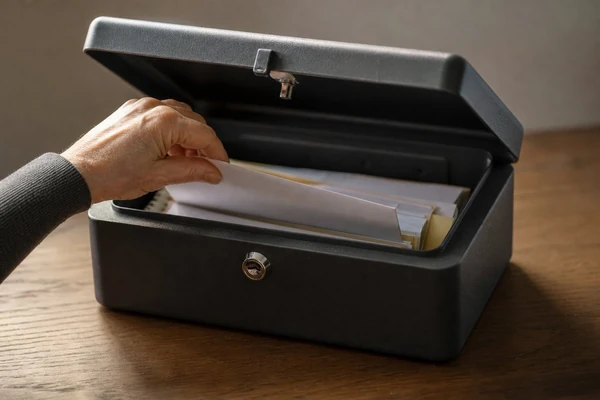
Cryptographic wallet security
In some cases, a company or another third party manages access to your ecash. In other cases, you’ll manage this yourself. In either case, make sure you understand who manages access to the ecash you store using a given tool and service, and what credentials or steps you’ll need to recover access.
Anyone who knows your ecash tool’s recovery seed phrase or private keys can send your ecash, so keep them confidential. Storing recovery seed phrases offline (on paper or another device not connected to the internet) is a good defense. Avoid taking photos of it and avoid storing the photo in email or cloud-based apps or websites.
What Prevents Costly Transfer Mistakes?
Once ecash transactions are successfully broadcast to and confirmed on the relevant network, they can’t be canceled or reversed. That’s why it’s important to develop good practices for staying safe and making sure transactions are successful the first time, including:
- Double check that you’re using the right tool, on the right ecash network, for the ecash you want to use.
- Carefully verify the other person’s address or wallet details, amount, network, and fees.
- For extra peace of mind, consider starting with a small transaction first.
- Keep in mind, sending fees are often variable and can change based on a number of factors, including network congestion. Research fees and settings to find the right balance between price and speed for you.
- Just because your transaction was instant doesn’t necessarily mean that it has been confirmed. Merchants, services, or exchanges may require a certain number of confirmations before they recognize your transaction as completed.
- No one from any wallet or service provider will ever need to ask for your funds’ details to verify your account. Be careful about downloading apps from unfamiliar sources, and report anyone impersonating support.
Also important in determining whether or not a wallet or other service is right for you is who has access to it, how to deal with updates, and general everyday usability.
- What if you want to be able to access your wallet on more than one device? Is there a read-only view of your wallet you could give to an accountant for example? What happens if your phone is lost/damaged/replaced?
- Can you send and/or receive without internet connection? Or create transactions offline that you can broadcast later?
- How are updates signalled and why is it important to update as soon as possible (legitimate security fixes)?
- What sort of record keeping is supported, adding notes/labels to transactions, exporting transaction history etc.?
- What can/can’t support staff help with (e.g. there’s no getting a forgotten recovery phrase back and unfortunately no reversing a transaction sent to the wrong address)? What counts as downtime e.g. planned maintenance, network congestion etc. and how are users signalled?
The display within a wallet is a representation of the network state as the wallet understands it to currently be at that point (according to the last synchronisation). For example a transaction that you have made may not have been confirmed yet i.e. included in a block. Should anything appear amiss e.g. your balance has disappeared or a transaction isn’t showing up, before making a subsequent transaction, check on the transaction status, make sure you haven’t got the networks mixed up and double check the address you are sending to.
If other people need to have access to your wallet e.g. for shared financial responsibilities, think about who can see what and who is able to make transactions. Make sure you all understand how to ensure the records of transactions are retained and who would have access in case you can’t. Sharing devices, passwords and recovery information can compromise security and privacy.
Privacy, Records, and Responsible Use
Ecash networks are pseudonymous, not anonymous (I bookmarked businessinsider.com/personal-finance/investing/is-bitcoin-anonymous for this). Anyone can review ecash network transactions, including the amount, sending and receiving wallets, and the time a transaction was confirmed.
While no one will ask you for a list of transactions, it’s your responsibility to track your ecash transactions and file applicable reports as required in your jurisdiction.
Building Confidence One Transaction at a Time
Not all resources will be able to provide one-size-fits-all answers about legality, taxation, or user protections, since those change based on your unique circumstances and jurisdictions. But they should equip you with the vocabulary to ask the right questions, know where to verify next steps, and the knowledge to feel confident using ecash in ways that make sense for your life, level of comfort and technical confidence, desire for convenience, and privacy preferences.